The security of sensitive data has become a concern for every organization in this digital age. In the health industry, the Health Insurance Portability and Accountability Act (HIPAA) is a set of strict guidelines for the handling storage, handling and security of protected health information (PHI). HIPAA Compliance is vital for healthcare institutions to ensure privacy and avoid penalties, as well as maintain a positive reputation.
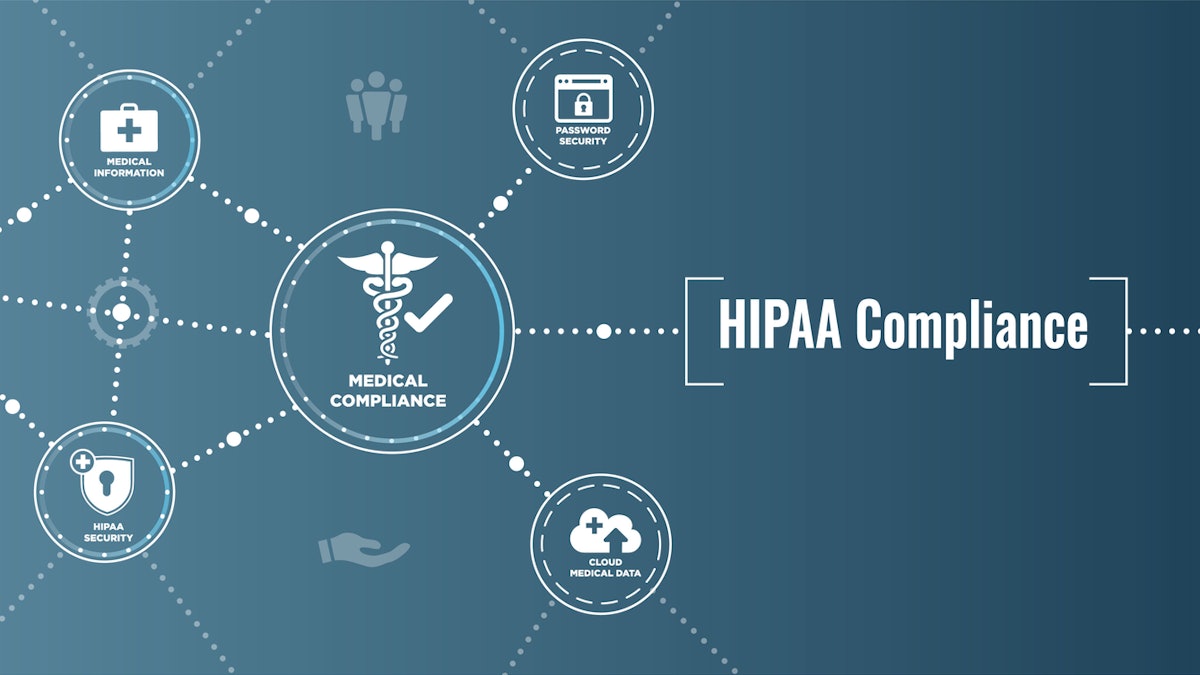
HIPAA encompasses all healthcare providers, healthcare plans, healthcare clearinghouses, and business associates. PHI is defined as information that could be used to identify a person, for example, names, addresses, credit card information, social security numbers, and medical procedure details and conditions. PHI is a commodity that can be traded on the blackmarket for a premium price because of the fact that it is used for identity theft.
The HIPAA Privacy Rule outlines guidelines for the disclosure and use of PHI. To ensure privacy, integrity, and confidentiality of PHI, covered entities are required to implement policies and practices. These policies should include access controls, security incident procedures, security education, and any other security measures. The covered entities have to limit their use and disclosures of PHI only to what is required to meet the objective for which they are being employed or disclosed.
HIPAA’s Security Rule requires that entities that are covered by the rule protect the security and confidentiality of ePHI using reasonable and suitable physical and administrative security measures. These safeguards include audit controls integrity checks, encryption security and contingency planning. The covered entities are also required to perform periodic risk assessments to identify vulnerabilities and implement mitigation measures.
The HIPAA Breach Notification Rule mandates that the covered entity inform individuals affected as well as the Secretary for Health and Human Services and, in certain cases media in the event of an unsecured breach of PHI. The Privacy Rule defines a breach as the use, acquisition or disclosure of PHI which is not allowed under the Privacy Rules that interferes with privacy or security. Companies that are covered have to conduct a risk assessment to determine the possibility that the PHI has been compromised as well as the harm that may result due to the breach.
HIPAA requires that all employees receive continuous education and training in order to understand their obligations and duties in relation to security and privacy of patients. The covered entities also have to perform regular risk assessments in order to identify vulnerabilities and implement mitigation measures. These measures may include implementing security controls, including encryption of ePHI as well as implementing contingency plans for the event in the event of a security-related incident.
Technology has had a profound impact on all aspects of our lives including healthcare. Electronic health records are a groundbreaking device that allows healthcare providers to store and manage patient data in a seamless manner. HIPAA compliance is crucial because of the significant cyber-risks that have been created. Data of patients is highly sensitive and must be secure always. HIPAA has never been more essential than it is today, given the ever-increasing risk of cyberattacks on healthcare providers. HIPAA is an act that can help ensure privacy of patients and information security, and thus increase trust among patients towards their healthcare providers.
HIPAA compliance can allow healthcare organizations to protect patient privacy and keep the trust of patients. HIPAA violations could result in massive fines, lawsuits, and reputational harm. Office for Civil Rights of Department of Health and Human Services (OCR) enforces HIPAA rules and has the authority to investigate complaints and examine the conformance of employees.
HIPAA compliance in the digital day is essential for healthcare organizations. The regulations laid out by HIPAA provide precise guidelines for managing storage, handling and safeguarding of protected health information. Healthcare organizations must ensure that they have policies and procedures in place that comply with HIPAA regulations, conduct periodic risk assessments and provide ongoing training and education for employees. In doing so healthcare institutions can ensure the trust of their patients and avoid legal actions.
For more information, click how does hipaa protect patients